Heavy Brisbane downpours expose weaknesses around a home very quickly. One moment the weather is calm, the next a burst of rain sends water racing off the roof. In those moments, the quality of each downpipe connection determines whether water is carried safely into the stormwater system or allowed to pool around the building and soak into the ground.
A downpipe connection links the gutters to the underground stormwater drainage. When it works properly, water moves away without notice. When it is blocked, damaged, or poorly installed, water can collect at the base of walls, erode soil, and creep into roof spaces or foundations. In Brisbane’s storm-prone climate, this small section of pipework plays a major role in protecting a property.
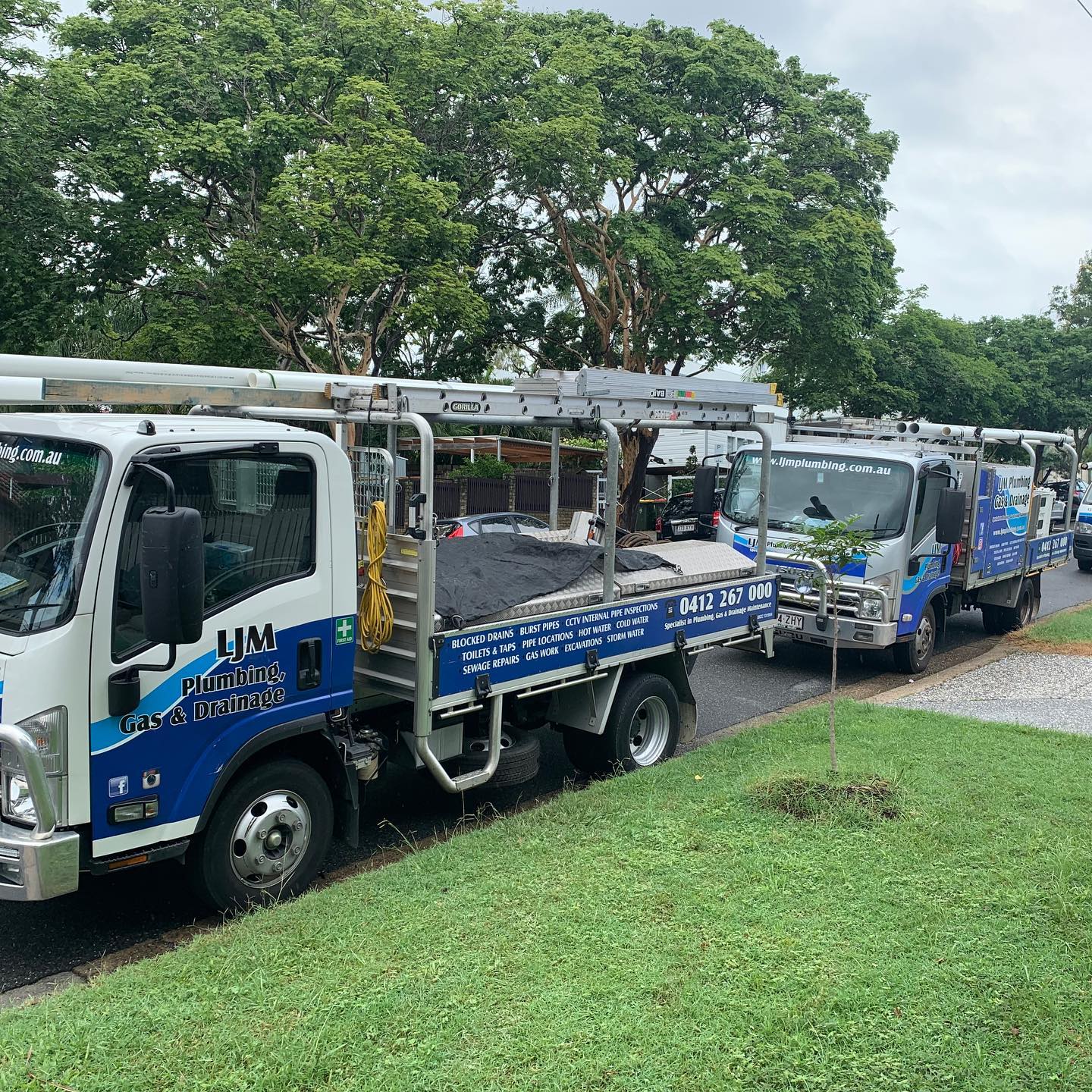
Queensland councils require homeowners to manage stormwater correctly so roof water does not discharge onto neighbouring properties or public land. Faulty downpipe connection work can lead to disputes, council notices, and costly rectification. For more than twenty years, LJM Plumbing, Gas and Drainage has helped Northside Brisbane homeowners keep roof drainage systems compliant, durable, and able to cope with intense rainfall.
What A Downpipe Connection Does
A downpipe connection is the point where the vertical pipe from the gutter meets the stormwater system below ground. This may be a sealed bend that feeds directly into an underground pipe or an open drop into a grated pit that then connects to the stormwater line. Regardless of style, this connection controls where roof water ends up.
Roof drainage works as a continuous system. Rain falls on the roof, flows into gutters, drops down downpipes, and exits through underground pipes to the street or another approved discharge point. When every connection is sound, water moves away efficiently. When even one fails, water can spill, back up, or soak into soil close to the building.
The primary purpose of a downpipe connection is to move water away from foundations. Water allowed to discharge at ground level can erode soil and undermine paths and slabs. Over time, this moisture can contribute to foundation movement, damp internal walls, timber decay, and mould growth inside roof spaces.
Material choice is also important. Where downpipes feed rainwater tanks, harmful metals such as lead are not permitted. Using incorrect materials can create health risks and leave owners liable for replacement. Licensed plumbers understand these requirements and design downpipe connections to meet council standards and local conditions.
Principles Of Proper Downpipe Installation
Correct downpipe installation follows several key principles that help systems cope with heavy rainfall. One commonly applied guideline is the twelve metre rule, which suggests one downpipe for every twelve metres of guttering. Long gutter runs feeding a single downpipe are easily overwhelmed during storms, causing overflow and wall saturation.
Watertight joints are essential. Even minor leaks at joins can drip continuously during heavy rain, soaking brickwork and slowly eroding soil. Over multiple wet seasons, small leaks can cause serious structural problems.
Downpipes must also be secured properly. Strong, corrosion resistant brackets and saddles are needed to support the weight of flowing water and resist wind loads. Poorly fixed pipes move during storms, stressing joints and weakening the connection at ground level.
Placement matters as well. Downpipes should be positioned near valley gutters and other high flow points so water does not travel long distances along the gutter. The size of the gutter outlet and downpipe must match the roof area they serve to prevent water backing up.
Underground stormwater pipes need a steady fall away from the building. Pipes laid too flat or back toward the house allow water to sit or flow backwards, increasing blockage risk and forcing water to escape at the downpipe connection.
Common Downpipe Connection Methods
Most Brisbane homes use either sealed connections or open grated connections. A sealed connection uses curved pipework to feed directly into the underground stormwater line. This keeps water contained and suits patios, walkways, and paved areas where splashing creates hazards.
Open grated connections allow the downpipe to discharge into a small pit covered by a grate. Water then flows from the pit into the underground pipe. This method is common in garden beds and side yards and allows easy visual checks for blockages.
Both methods must be designed carefully. Open connections need enough air space to prevent air locks, while sealed systems must align correctly to avoid stress on joints. Smooth bends and adequate fall are critical in both cases.
Maintaining Downpipe Connections
Even well installed systems need maintenance. Gutters and ground level pits should be cleared regularly, especially before and after the wet season. Leaves, silt, and debris are the most common causes of overflow.
Visual checks during heavy rain are useful. Water spilling from joints, pooling at the base of downpipes, or overflowing gutters all signal problems. Loose brackets, rust marks, and damp walls beneath downpipes are early warning signs.
Basic cleaning can often be handled by homeowners, but repeated blockages or water entering the building indicate deeper issues. LJM Plumbing, Gas and Drainage provides professional inspections and cleaning to restore flow and protect properties during Brisbane’s heaviest storms.