A soggy yard after only a light shower often indicates a drainage problem below the surface rather than excessive rainfall. Subsoil drainage Brisbane specialists regularly see properties where water remains trapped around homes despite relatively minor rain events.
Across Brisbane, Ipswich and Logan, reactive clay soils, high groundwater levels and hidden plumbing leaks commonly contribute to persistent waterlogging. Without proper drainage, excess moisture can damage lawns, retaining walls, foundations and landscaping while making outdoor areas difficult to use.
Understanding why water remains trapped beneath the surface is the first step towards creating a drier, healthier and more functional yard.
Why Some Brisbane Yards Stay Wet
Many Brisbane properties are built on reactive clay soils that absorb water slowly and retain moisture for extended periods. Even when surface areas appear dry, water can remain trapped beneath the ground where it gradually affects lawns, garden beds and building foundations.
Properties located in low lying areas or near creeks may also experience elevated groundwater levels. In these situations, moisture can move upward through the soil profile and create ongoing dampness even during relatively dry weather.
Hidden plumbing leaks are another common cause of unexplained waterlogging. Damaged water pipes, cracked stormwater lines and underground leaks can saturate surrounding soil over time. These issues often remain unnoticed until pooling water, soggy lawns or foundation movement begins to appear.
Poor site grading can further contribute to drainage problems by directing water towards low points instead of away from the property. When multiple factors combine, persistent wet areas often develop throughout the yard.
How Subsoil Drainage Works
Subsoil drainage systems are designed to collect and redirect excess groundwater before it reaches the surface. Rather than dealing with standing water after it appears, these systems remove moisture from beneath the ground where the problem begins.
A typical subsoil drainage system uses perforated agricultural pipe installed within a gravel trench. Water naturally moves through the surrounding soil into the gravel before entering the pipe and flowing towards an approved stormwater outlet.
Geofabric is commonly wrapped around the trench to prevent fine soil particles from entering and clogging the system. This is particularly important in Brisbane’s clay based soils where sediment movement can significantly reduce drainage performance over time.
Correct installation is essential. Pipe gradients, trench depth and discharge locations must all be designed to suit the specific site conditions and comply with relevant Queensland drainage requirements.
Warning Signs Of Backyard Drainage Problems
Many drainage issues develop gradually and display warning signs long before major damage occurs. One of the most common indicators is a lawn that remains soft or boggy for days after relatively light rainfall.
Pooling water near house foundations, paths and outdoor structures may also suggest excess groundwater is unable to drain effectively. In some cases, vegetation may struggle because saturated soil restricts oxygen reaching plant roots.
Retaining walls frequently reveal drainage problems through damp patches, staining or visible water seepage. Excess moisture behind retaining walls can create pressure that eventually leads to movement or structural failure.
Inside the home, moisture related issues may appear as bubbling paint, musty odours, mould growth or cracking caused by soil movement beneath foundations. These signs should never be ignored, as they often indicate larger drainage issues affecting the property.
How LJM Plumbing, Gas And Drainage Helps
LJM Plumbing, Gas and Drainage provides subsoil drainage Brisbane services designed to identify and address the underlying causes of yard flooding. Rather than focusing only on visible symptoms, the team investigates site conditions, existing drainage infrastructure and potential underground leaks.
The company designs and installs drainage solutions suited to Brisbane’s soil conditions, including French drains, agi pipe systems and retaining wall drainage. Existing stormwater infrastructure is assessed to ensure new drainage systems discharge water effectively and comply with local requirements.
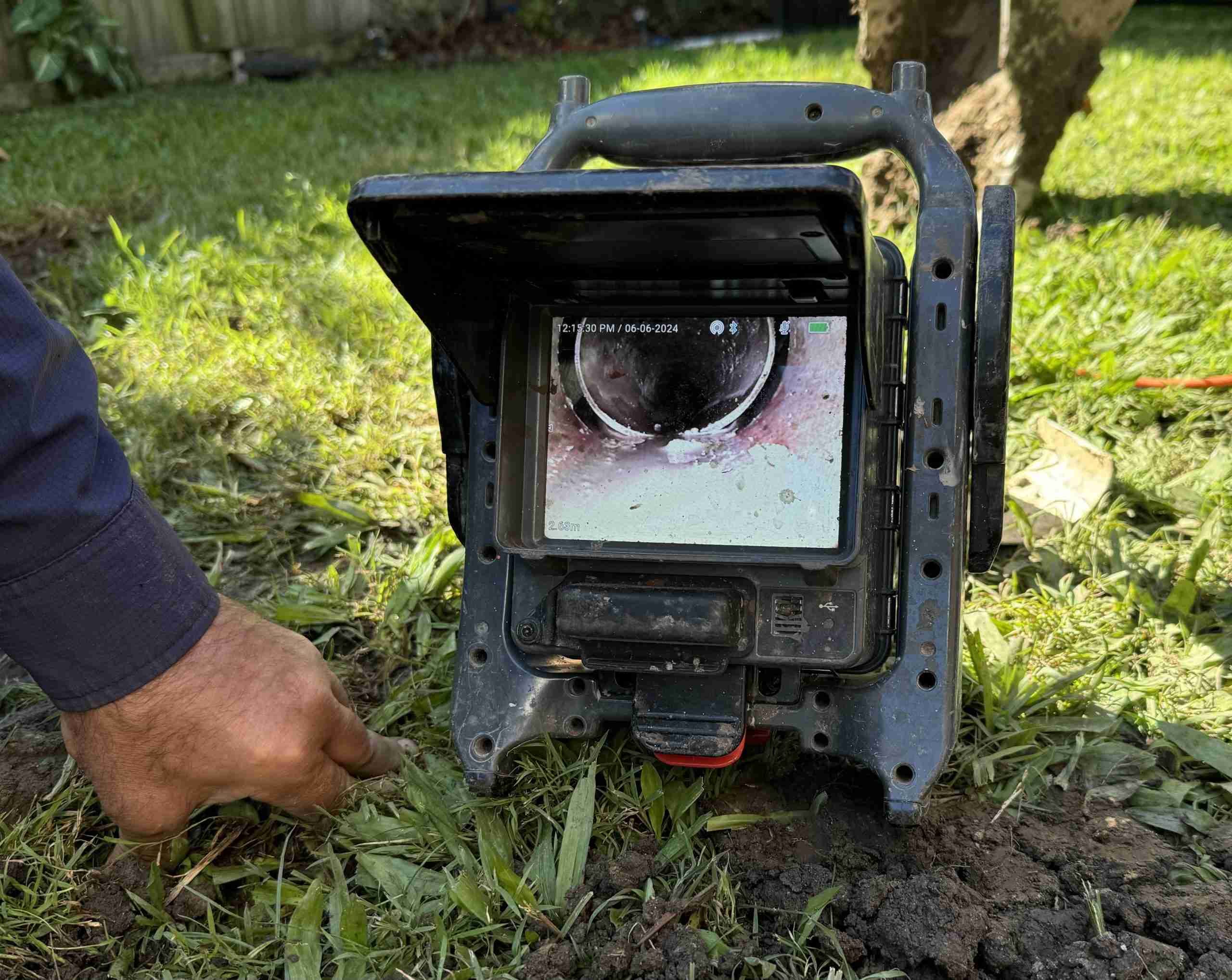
With access to specialised excavation equipment, pipe inspection technology and drainage expertise, LJM can complete both diagnosis and installation efficiently. Hidden plumbing faults can also be identified and repaired where they contribute to ongoing waterlogging problems.
By combining proper drainage design with long term site specific solutions, LJM Plumbing, Gas and Drainage helps Brisbane homeowners protect their properties from moisture damage while creating drier, more usable outdoor spaces.